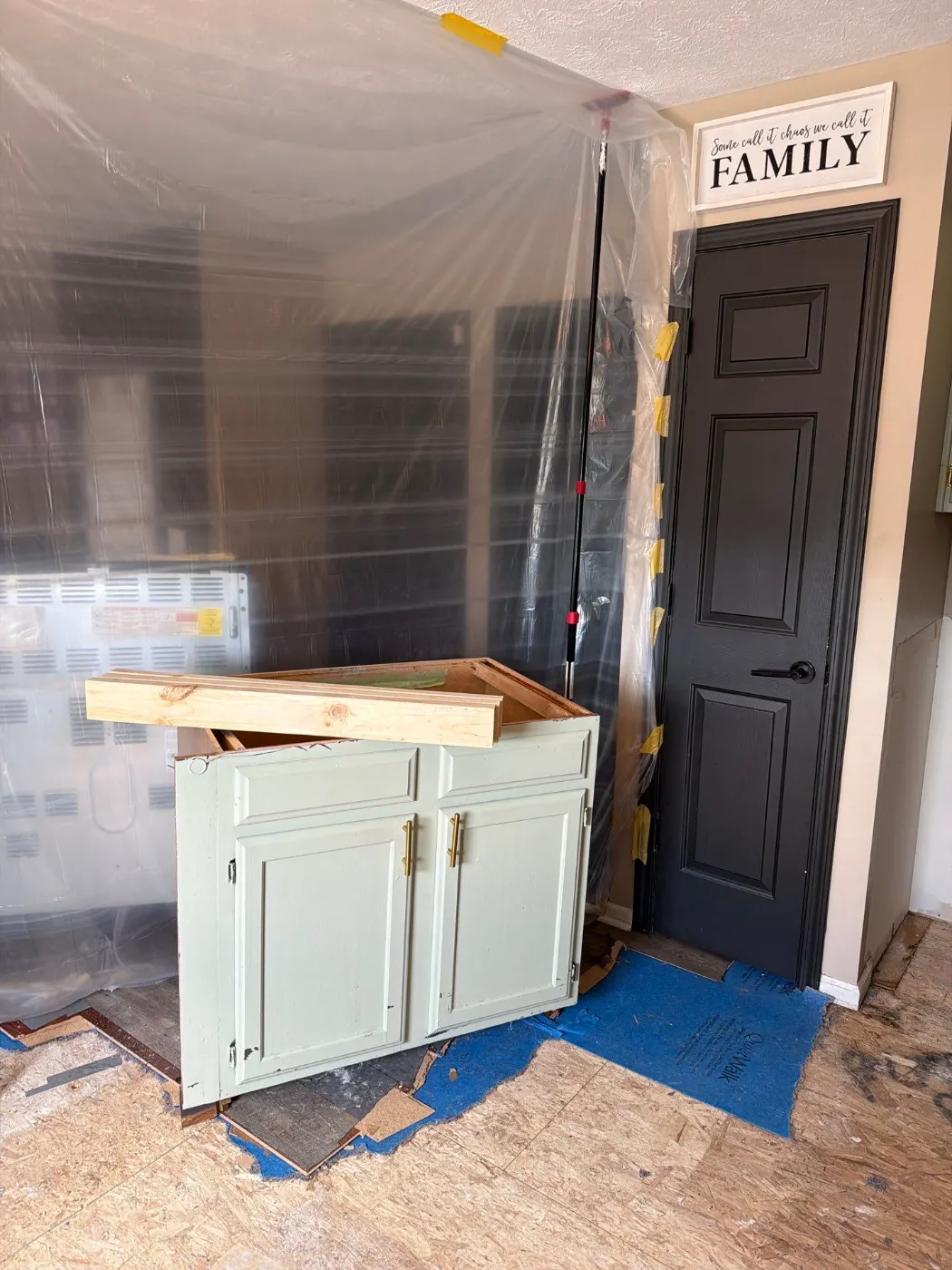
Commercial Flood Damage Cleanup in Clayton, IN
Commercial flood cleanup in Clayton with high volume pumping, truck mounted extraction and drying measured every day.
Clayton Water Restoration provides professional Commercial Flood Damage Cleanup in Clayton: emergency availability every day of the year, certified crews, and coordination with your insurance carrier on approved claims. Call (317) 653-6821.
- Service: Commercial Flood Damage Cleanup for Clayton homeowners
- Service area: Clayton, IN and surrounding areas
- Response time: Around the clock dispatch; Clayton emergencies move to the front of the line
- Licensed and insured (License #RC21100059)
- Serving Clayton, IN since 2018
Commercial Flood Cleanup in Clayton
When floodwater reaches a commercial building in Clayton, we'll pump it out and dry the structure section by section.
Flood Exposure Here
Flood risk here runs highest for sites close to White Lick Creek. Your building's own flood exposure gets mapped when we walk the site with your facilities contact.
Our flood crews work commercial sites throughout Clayton, including the blocks around Indiana State Road 39 and Cascade High School. We also handle commercial flood cleanup in Stilesville, Amo, Belleville and Plainfield.
Commercial Flood Damage Cleanup for Clayton Businesses
Commercial property policies often exclude rising surface water, and flood coverage is usually written as a separate policy. That makes the first facts an adjuster wants simple ones: where the water came from and how high it got. Clayton Water Restoration documents both on every commercial flood loss in Clayton, starting at the first walkthrough, so your file answers those questions.
Instruments decide the scope on every flood job Clayton Water Restoration runs. Thermal imaging finds water behind finishes across a whole floor plate, moisture meters confirm it, hygrometers track the air and in situ probes read the relative humidity inside the slab. Every reading gets logged by location in your Clayton building and handed to you when the project closes.
Documentation happens daily while equipment runs. Moisture readings by location and material, temperature and relative humidity inside and outside the affected zones, equipment placement and run hours by room, and photographs of each area get recorded on the same schedule. Affected materials get compared against dry standard readings taken from unaffected parts of the same building, so the log shows a trajectory anyone can follow.
If you decide against filing, the file is still yours. Clayton Water Restoration builds the same documentation on a self funded commercial job as on a claim: readings, photographs, equipment logs, and a line item scope. Property managers often want that record for the ownership group or for a future tenant question about a space, and it exists whether or not a carrier ever opens the loss.
Clayton Water Restoration works commercial flood losses across Clayton and Hendricks County, with dispatch inside two hours at any hour. Pumping and extraction start on a signed emergency authorization, the written scope follows once the wet area is mapped, and the daily log goes into a file you keep. Call now and get the standing water out of the building while the rest gets sorted.
Signs You Need Commercial Flood Damage Cleanup
If you notice any of these in your Clayton building, schedule a free inspection before the issue worsens.
Foundation wall or slab joint still seeping water days after the rain ended
A musty or sour smell strongest at return air grilles or when the air handlers first start up
Floor drains backing up or holding water long after the last discharge into them
Rust forming at the base of steel shelving uprights or pallet racking where it meets the slab
Stored files and inventory that sat in floodwater on the bottom shelf or floor
Carpet squishing underfoot in an entry lobby after a heavy rain
Silt packed into trench drains and floor drains after a flood
A dark tide line on drywall or wall base running along a corridor at a consistent height
Acoustic ceiling tiles stained brown or sagging out of the grid in a line under a pipe run
Swollen particleboard casework or a reception desk with a soft base after the water dropped
How Clayton Water Restoration Handles Commercial Flood Damage Cleanup
We follow these steps in order on every Clayton job.
Electrical Safety First
Nobody enters a flooded area until your electrician or the utility has confirmed the circuits there are shut off. Pumps and dehumidifiers then run from temporary power set up outside the wet zone, with cords kept off the floor.
Mapping the Wet Area
Thermal imaging and penetrating meters survey every affected area, including the slab, wall cavities, ceiling plenums, and anything below grade. The wet boundary gets marked on a floor plan, so the drying scope matches the real footprint of the water and a carrier can follow why each area was treated.
Cleaning the Structure
Concrete and block that stood in floodwater are washed with detergent from the top of the wall down and rinsed out. An antimicrobial treatment follows when the scope includes one, so drying starts on a clean surface.
Final Readings and Walkthrough
Equipment is pulled in stages as each material meets the dry standard on consecutive visits. The crew lead then walks the building with you, and the final readings by location go into the file.
Closeout File and Repair List
You receive the photographs, readings, equipment logs and disposal records in one file, along with a list of what was removed room by room. The people doing the repairs can scope from that list.
Commercial Flood Damage Cleanup in Clayton
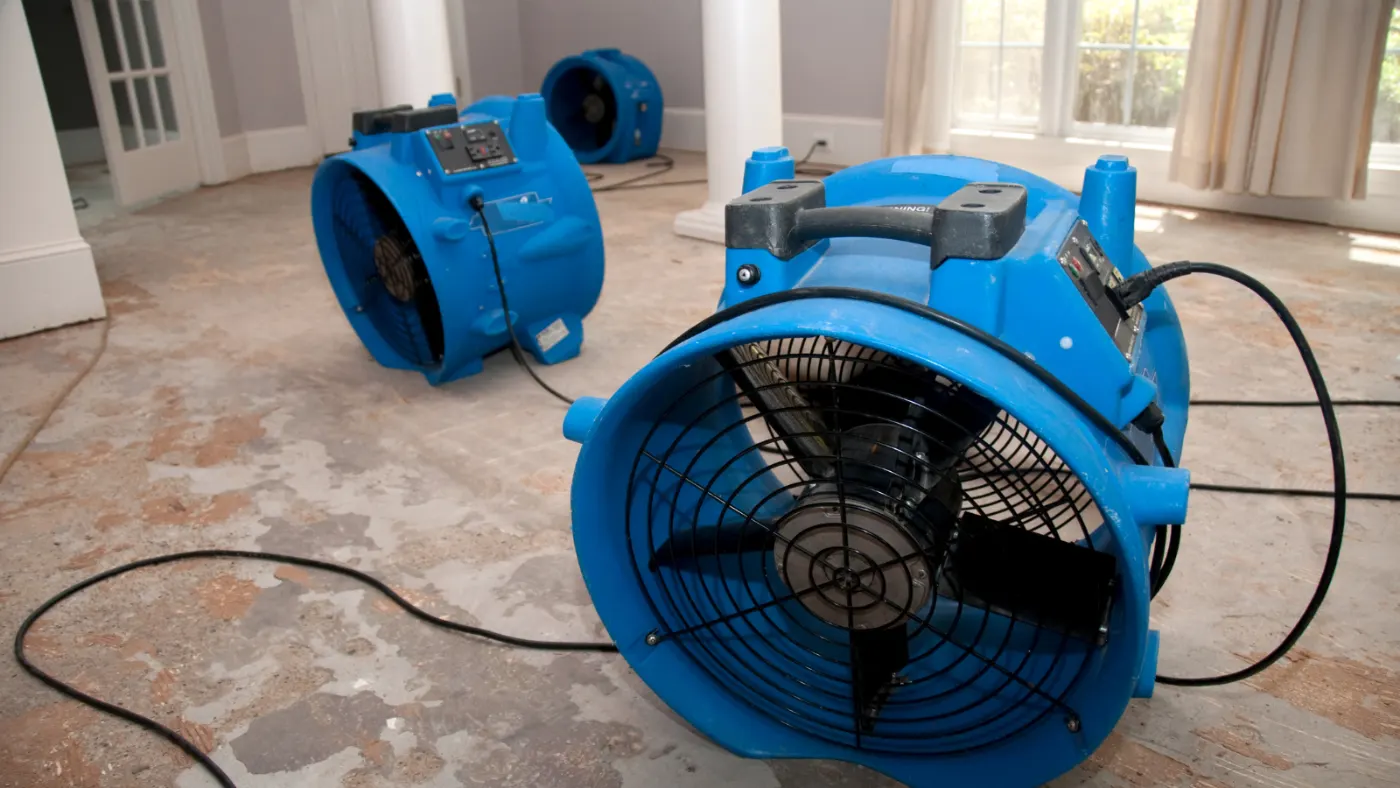
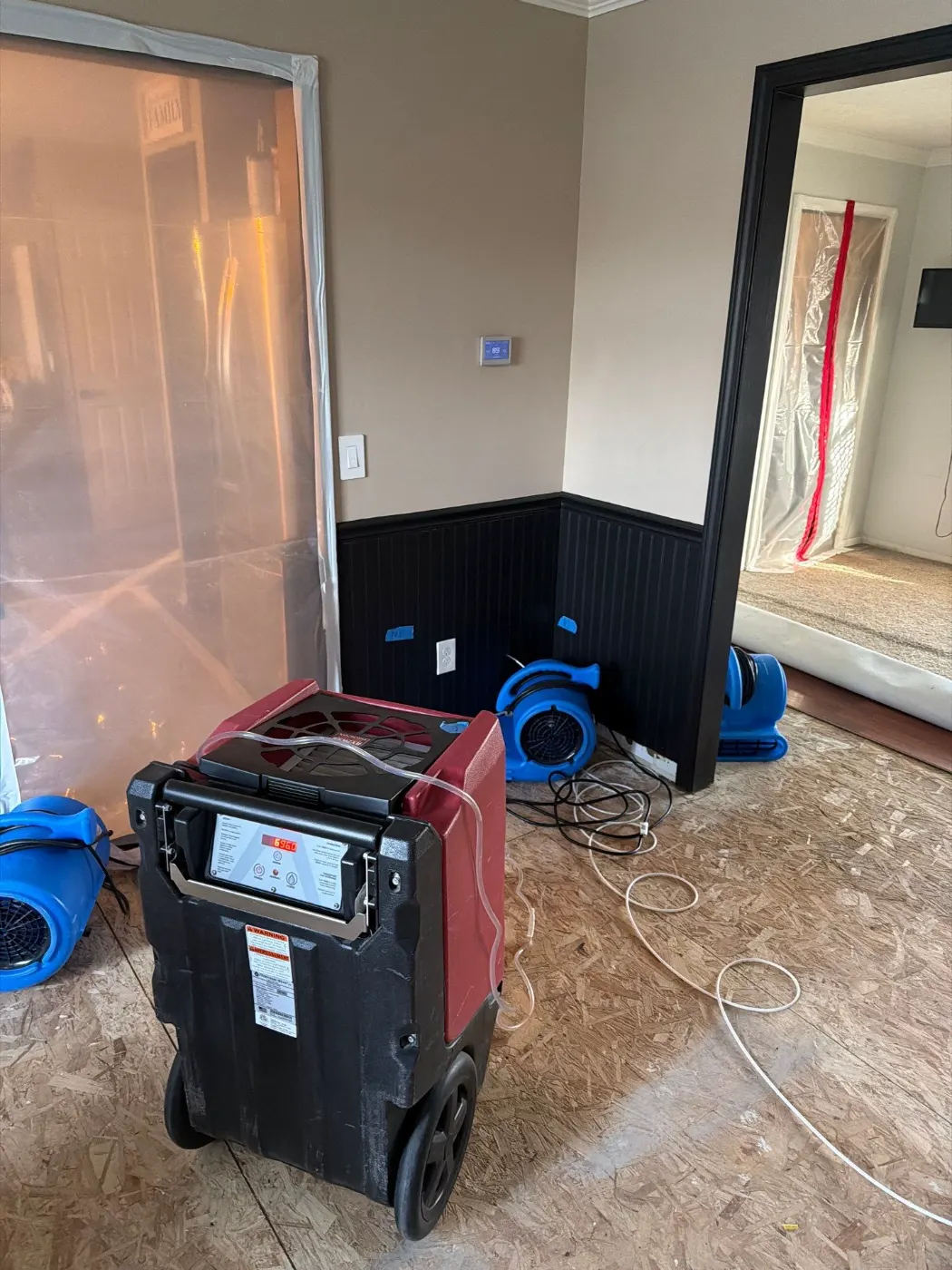
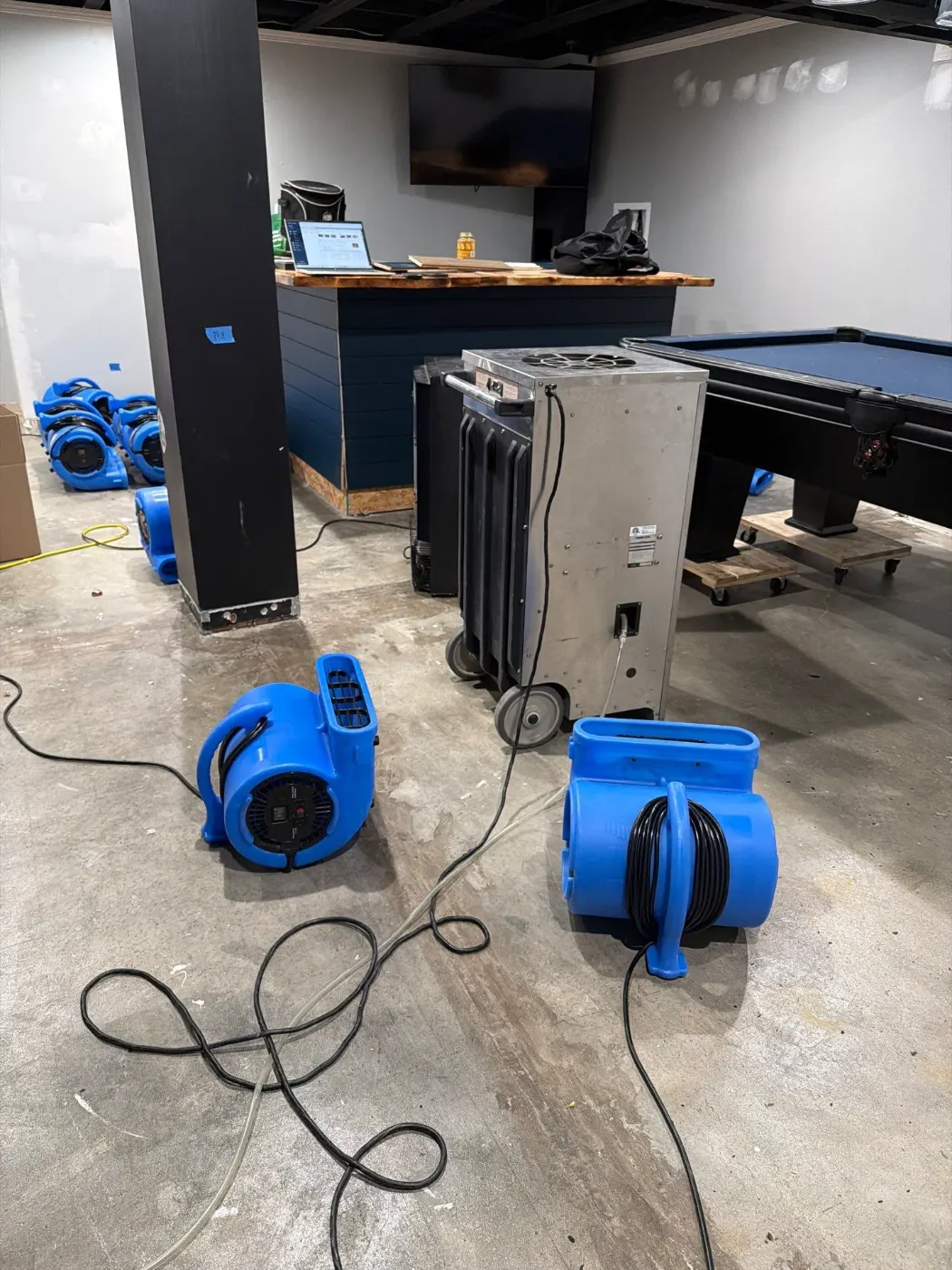
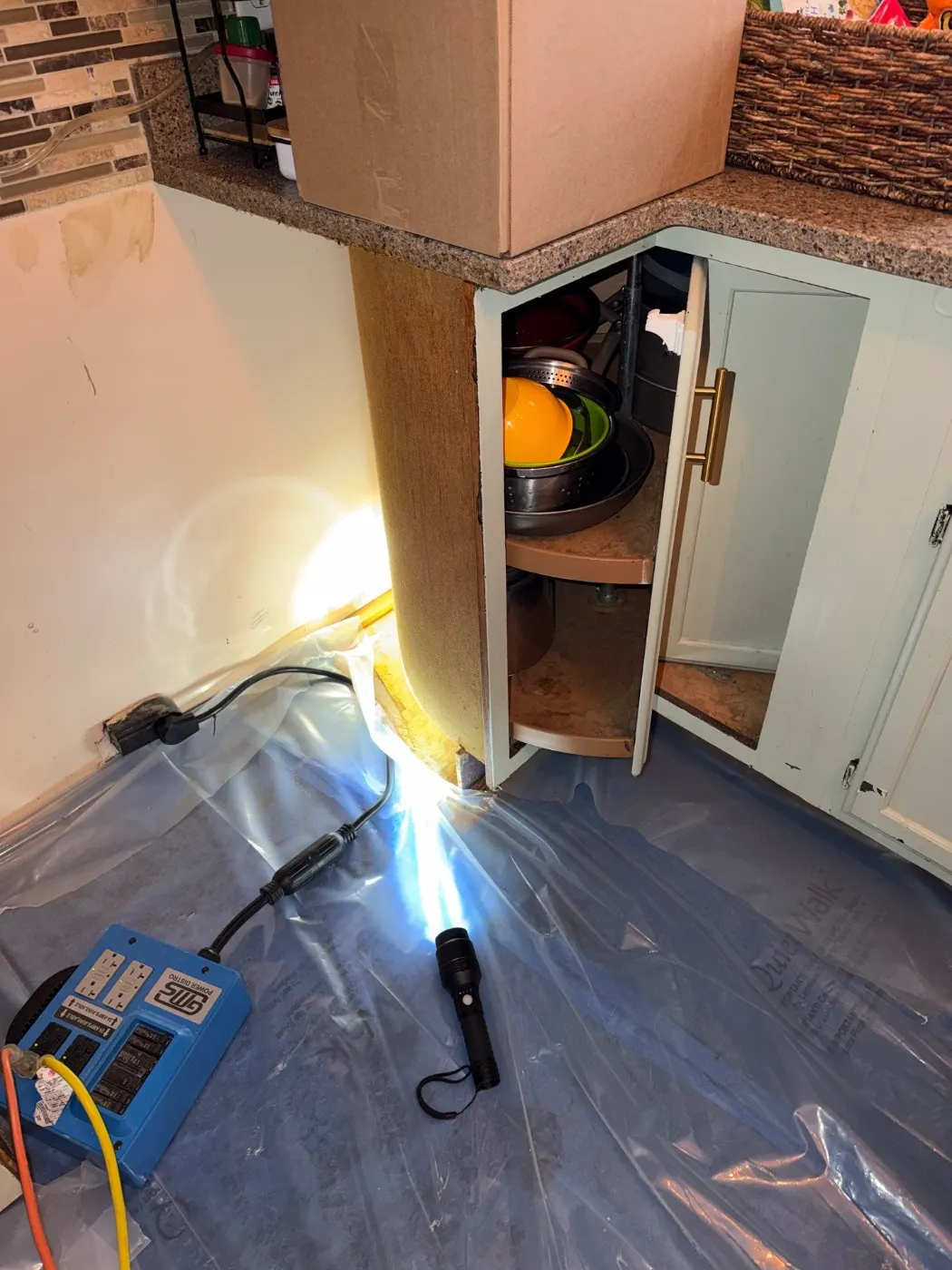
Photographs from real commercial flood damage cleanup jobs completed by our crew in Clayton and surrounding areas.
Commercial Flood Damage Cleanup FAQ
Questions Clayton property managers ask us about commercial flood damage cleanup.
Guidance and Standards for Commercial Flood Damage Cleanup
- The ANSI/IICRC S500 is the published standard for professional water damage restoration. The current edition is the Fifth Edition, 2021. IICRC S500 Standard
- EPA advises drying water damaged areas and items within 24 to 48 hours to prevent mold growth. EPA: A Brief Guide to Mold, Moisture and Your Home
Clayton Neighborhoods We Serve
We take commercial flood damage cleanup calls in every part of Clayton. Pick your neighborhood for local details.
Other Restoration Services in Clayton
Clayton Water Restoration handles the full scope of restoration work. Explore our other services below.
Water Damage Restoration in Clayton
24/7 emergency response. IICRC certified water restoration from extraction to full dry out.
Learn more →Basement Flooding in Clayton
Basement water emergencies handled fast. Extraction, drying, mold prevention.
Learn more →Sewage Cleanup in Clayton
Category 3 biohazard cleanup. Full containment, decontamination, structural restoration.
Learn more →Request Commercial Flood Damage Cleanup
Reach Us Directly
Our team is available 24/7 for emergencies and ready to schedule inspections during business hours.
Need Immediate Help?
For active water or mold emergencies, call us directly. We are available 24/7.