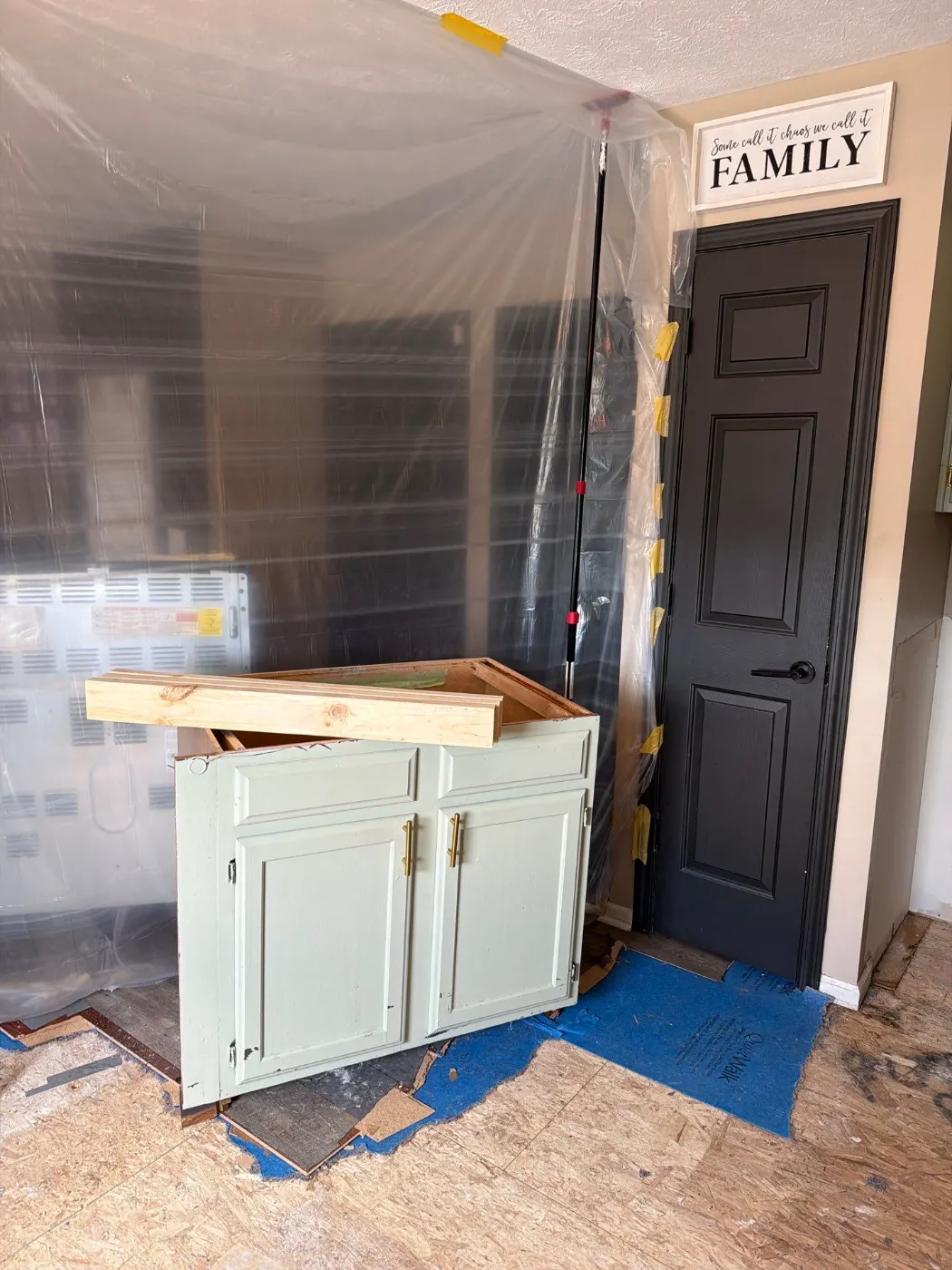
Storm Damage in Clayton, IN
Ice dam and freeze and thaw intrusion in Clayton traced, opened where the meters justify it, and dried back to baseline
Need Storm Damage in Clayton? Clayton Water Restoration answers 24/7 with certified crews, fast on-site response, and documentation built for your insurance claim. Call (317) 653-6821 now.
- Service: Storm Damage for Clayton homeowners
- Service area: Clayton, IN and surrounding areas
- Response time: Rapid emergency dispatch for Clayton inquiries; crews available 24/7
- Licensed and insured (License #RC21100059)
- Serving Clayton, IN since 2018
Storm Damage Cleanup in Clayton
We handle storm damage cleanup across Clayton, from tarping the opening to drying the house underneath it, and we're out day or night.
Storms Here
Storms here can bring damaging wind. If your insurance company asks for a storm date, NWS Indianapolis keeps a list of past events.
Where Storm Water Ends Up
Homes near White Lick Creek can see rising water after heavy rain. With full basements common here, a big storm can bring water in from below as well as through the roof. That makes it a basement flooding job too.
After a storm we can be anywhere in Clayton, from Country Village to the roads around Cascade High School and Clayton Presbyterian Church. We also handle storm damage in Danville, Coatesville, Stilesville and Amo.
Expert Storm Damage for Clayton Homeowners
You got a tarp over the opening and the dripping stopped, so the emergency feels finished. The insulation above that ceiling is still carrying water, and it'll keep feeding moisture into the drywall and the framing for days while nothing visibly gets worse. Clayton Water Restoration crews measure what's left in the assembly on storm calls in Clayton and Hendricks County, and we dispatch within 2 hours to get real numbers on it before the ceiling starts to soften.
Drying can't finish under an active leak, so Clayton Water Restoration covers the opening first. The crew tarps or boards the spot where the storm got in, photographs it before and after, and starts extraction inside on the same visit. The details of the opening get passed to whoever handles the permanent roof or siding repair on your Clayton home.
Contents get handled before extraction begins. Furniture comes off wet carpet or gets its legs blocked, and rugs and boxes move to dry rooms. Photos are taken of anything that shifts, so there's a record of what sat where. Small valuables and papers stay with you, which keeps wet items from staining the flooring in your Clayton home.
Standard homeowners policies typically exclude flooding from rising surface water, which is usually covered under separate flood insurance such as an NFIP policy. If water came in at ground level, photograph the yard and the street as well as the interior. Clayton Water Restoration records the waterline inside your Clayton home, and your insurance company decides how the loss is classified.
Take a few photos of the wet areas, then call Clayton Water Restoration. The pictures show what the storm did before anything gets moved, and the crew adds moisture readings and a written scope for your Clayton home. You decide how to use that record with your insurance company.
Signs You Need Storm Damage Restoration
If you notice any of these in your Clayton home, schedule a free inspection before the issue worsens.
Basement floor drain gurgling or bubbling during a heavy downpour
Carpet near an exterior door that squishes underfoot after wind driven rain
Silt left on the garage floor or mudroom tile after runoff pushed in
Mud film on a basement floor once the water has drained away
Water on the basement floor after the power failed and the sump pump stopped
Mold spotting on the back wall of an upstairs closet or behind furniture on an outside wall
A wet cardboard smell in a basement that was fine before the storm
Drywall below a window that feels soft or crumbles when pressed
Dark water line on basement drywall several inches above the floor
Water stains running down a stairwell wall from the upper floor
How Clayton Water Restoration Handles Storm Damage
We follow these steps in order on every Clayton job.
Wall Cavity Inspection
Baseboards and window trim come off where readings run high, and small inspection holes show whether the cavity behind them holds water. Windows and doors that took wind driven rain usually leave the wall base wet first.
Contaminated Material Removal
Porous materials soaked by floodwater, such as carpet and the lower drywall, get cut out and bagged for disposal. Cut heights are photographed and recorded, so the scope and your file show what came out and why.
Cleaning Surfaces That Stay
Framing and hard surfaces that stay get cleaned and treated with an antimicrobial once the soaked material is out. Cleaning comes before the drying equipment goes in, so the air movers aren't pushing soil around the room.
Attic and Cavity Drying
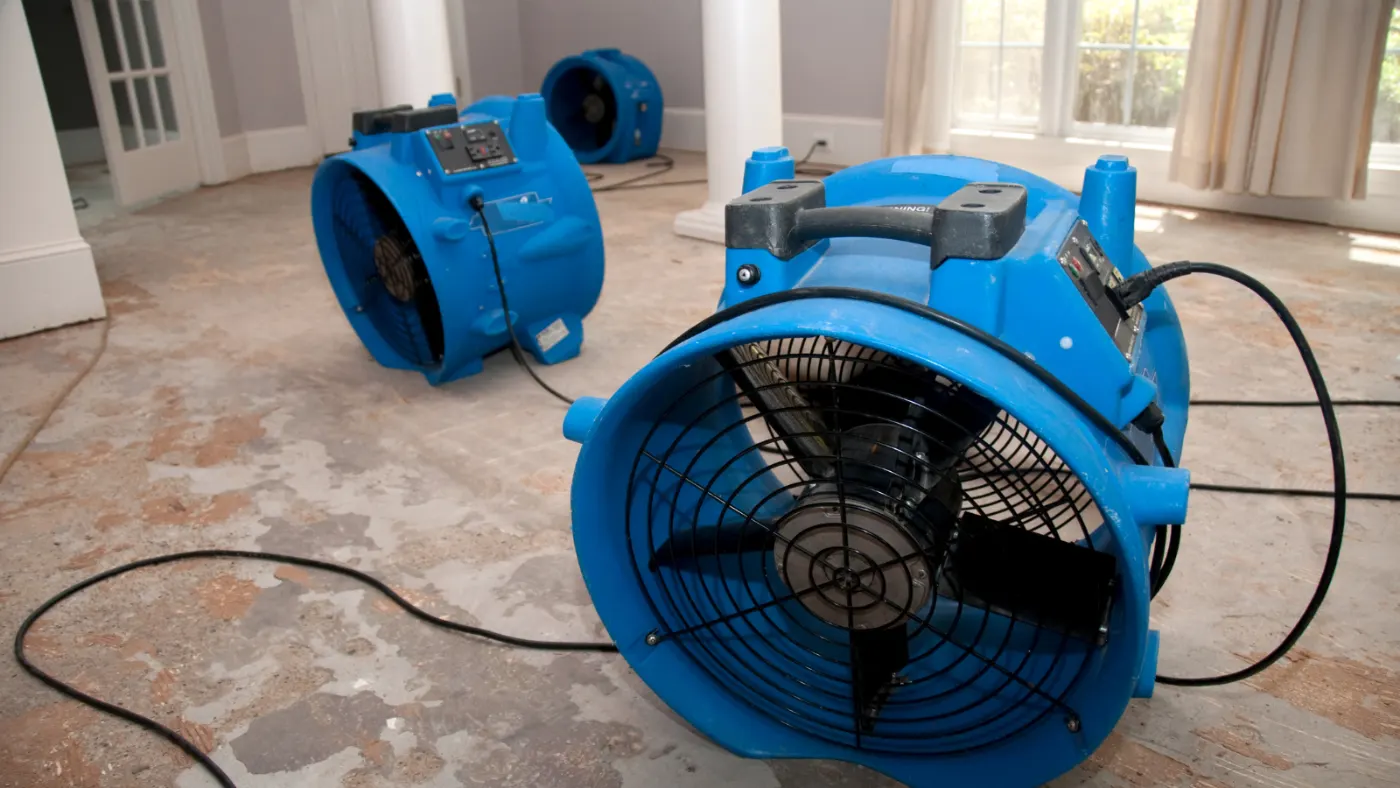
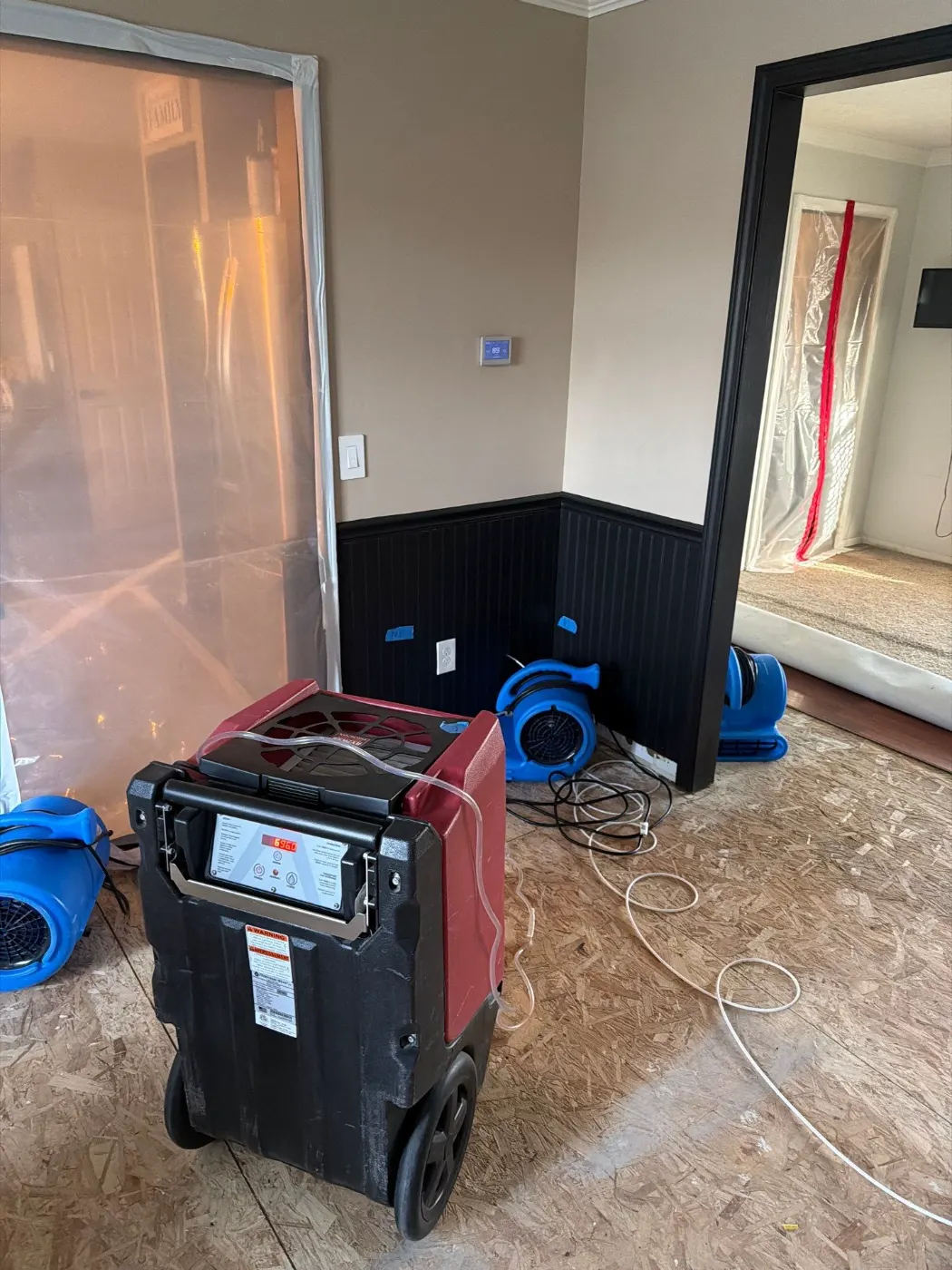
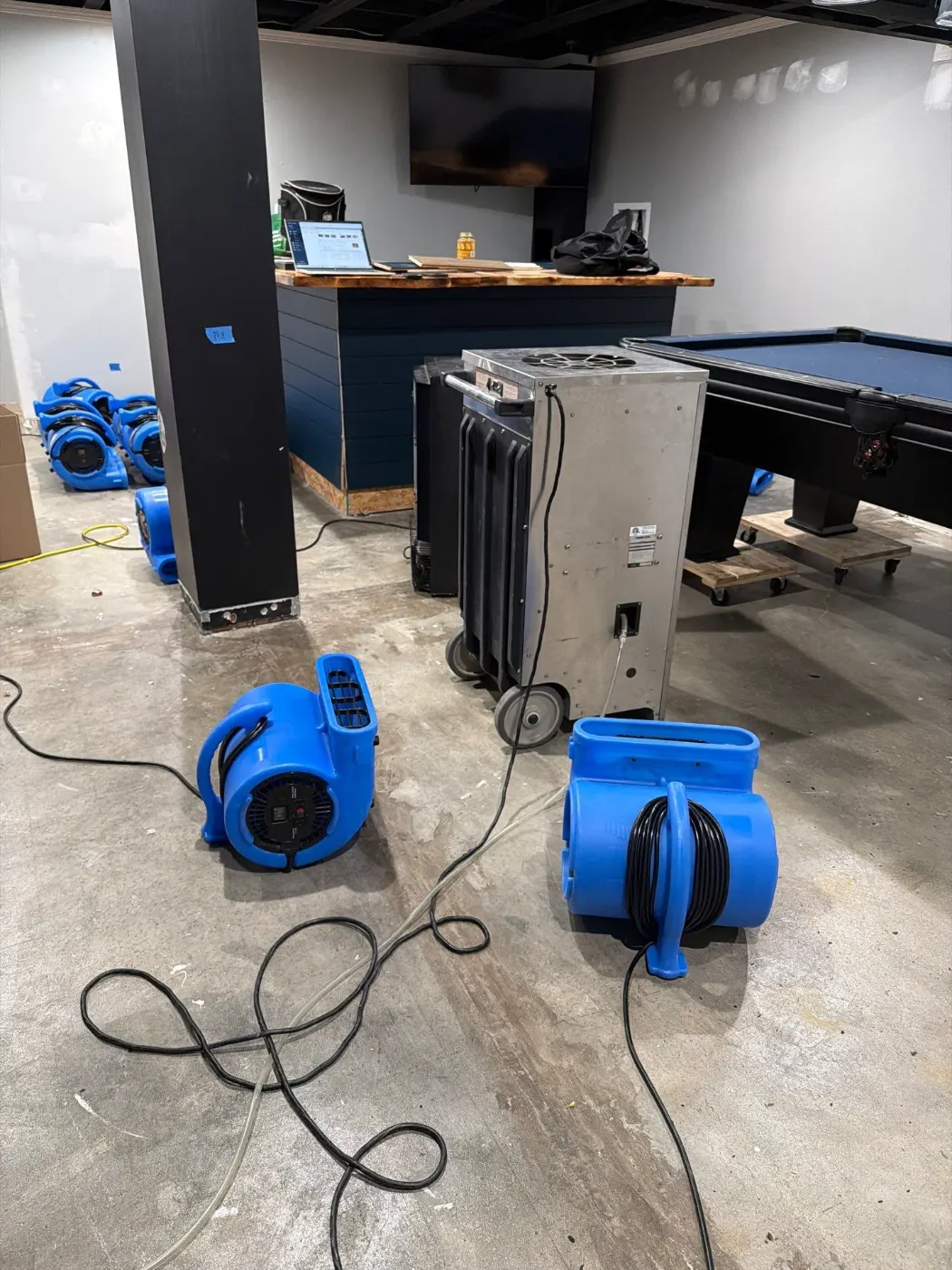
Air movers aim at wet surfaces, dehumidification is sized to the containment volume, and negative air cavity drying runs through small ports where a ceiling or wall doesn't have to come down to dry. Humidity gets tracked inside and outside the drying area.
Photo Report
Entry point photos, the water path, the daily readings and the itemized scope go into a photo report you keep. The crew walks you through it, and you sign off on the scope in writing before there's any demolition.
Storm Damage in Clayton
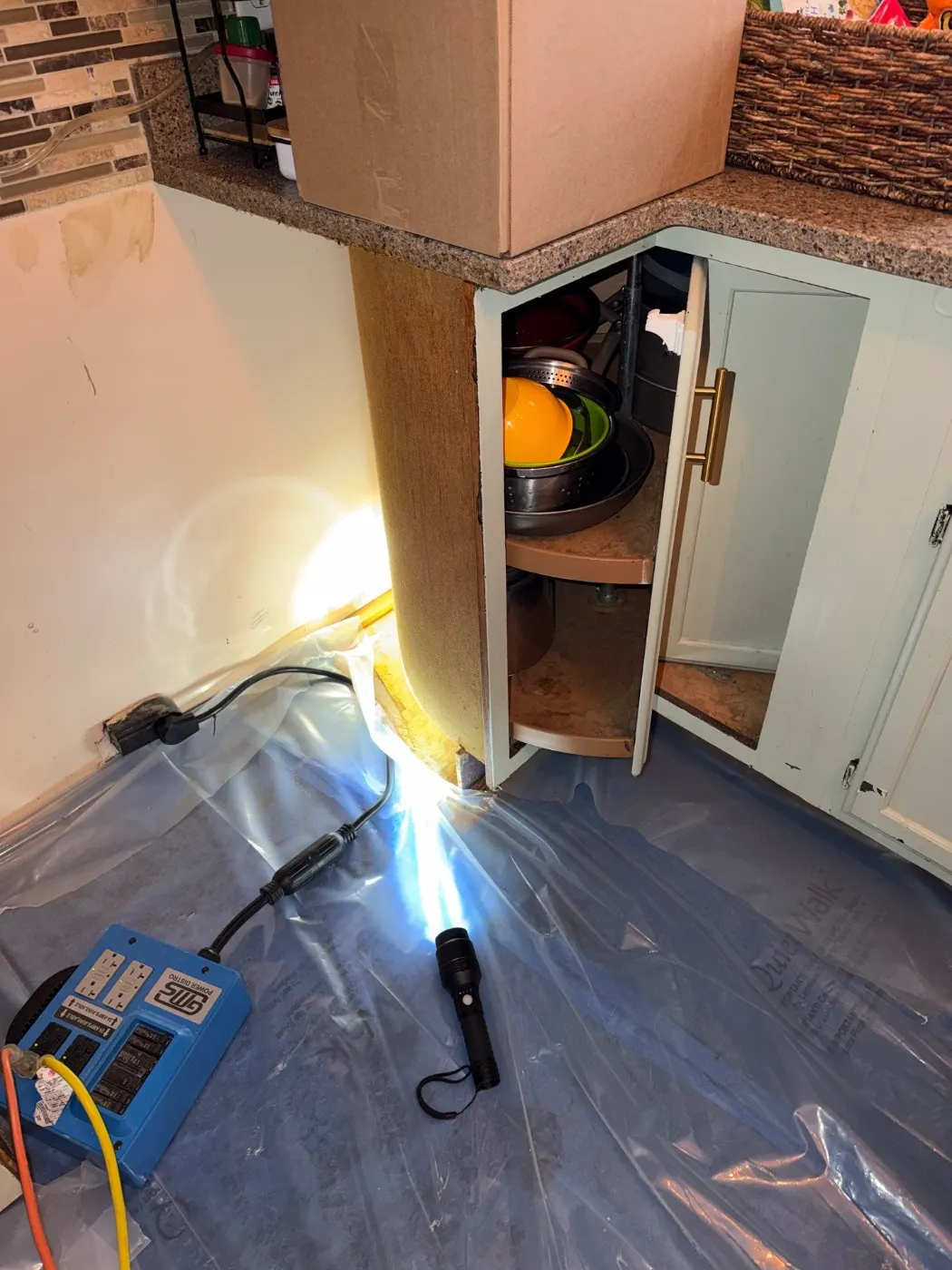
Photographs from real storm damage jobs completed by our crew in Clayton and surrounding areas.
Storm Damage FAQ
Questions Clayton homeowners ask us about storm damage restoration.
Guidance and Standards for Storm Damage
- The National Weather Service office in Indianapolis posts summaries of recent central Indiana storm and flood events. NWS Indianapolis Event Summaries
- The Indiana Department of Insurance advises against permanent repairs before your insurance company inspects the damage. Check your own policy for what it covers. Indiana Department of Insurance: Insurance Claim Tips
Clayton Neighborhoods We Serve
We take storm damage calls in every part of Clayton. Pick your neighborhood for local details.
Other Restoration Services in Clayton
Clayton Water Restoration handles the full scope of restoration work. Explore our other services below.
Water Damage Restoration in Clayton
24/7 emergency response. IICRC certified water restoration from extraction to full dry out.
Learn more →Basement Flooding in Clayton
Basement water emergencies handled fast. Extraction, drying, mold prevention.
Learn more →Sewage Cleanup in Clayton
Category 3 biohazard cleanup. Full containment, decontamination, structural restoration.
Learn more →Request Storm Damage Restoration
Reach Us Directly
Our team is available 24/7 for emergencies and ready to schedule inspections during business hours.
Need Immediate Help?
For active water or mold emergencies, call us directly. We are available 24/7.