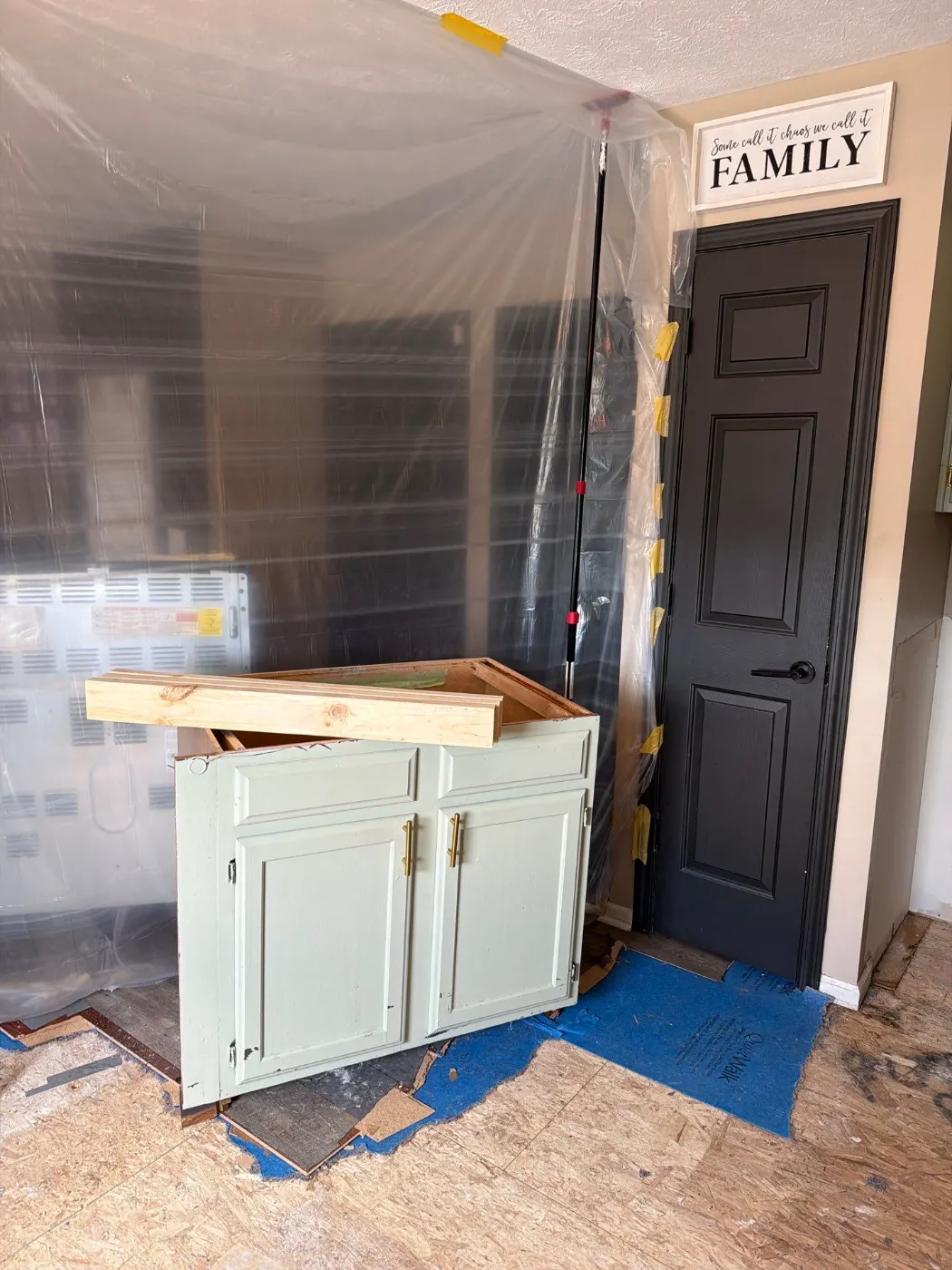
Commercial Storm Damage in Clayton, IN
Wind driven rain through failed roof drains or open membrane seams gets dried out at Clayton commercial properties.
Searching for Commercial Storm Damage near Clayton? Clayton Water Restoration dispatches 24/7, documents everything, and works with your insurance carrier from first call to final walkthrough. Call (317) 653-6821.
- Service: Commercial Storm Damage for Clayton homeowners
- Service area: Clayton, IN and surrounding areas
- Response time: 24/7 live dispatch; emergency crews prioritized for Clayton
- Licensed and insured (License #RC21100059)
- Serving Clayton, IN since 2018
Commercial Storm Damage Cleanup in Clayton
After a storm hits a commercial building in Clayton, we'll cover the opening and then dry out the space underneath it.
Storms Here
Damaging wind can hit here, and that puts roofs and rooftop equipment at risk. NWS Indianapolis posts summaries of past storms, which helps when your carrier asks for a date.
We respond to storm calls from businesses anywhere in Clayton, including those around Clayton Presbyterian Church and Indiana State Road 39. We also handle commercial storm damage in Coatesville, Stilesville, Amo and Belleville.
Commercial Storm Damage for Clayton Businesses
When storm water gets past the curb of a rooftop unit, it can travel along the supply duct before it drips anywhere. The insulation lining the duct can soak it up, and diffusers a long way from the unit start to drip. Clayton Water Restoration traces the path in your Clayton building with a moisture meter and dries the ceiling spaces the duct crosses.
Water that crossed the dock apron or rose from outside gets handled as contaminated until the crew has established its category. Porous materials it soaked, such as carpet and insulation, are removed and bagged, and hard surfaces are cleaned before drying equipment goes in. Photos of the water line and the entry point at your Clayton dock go in the file first.
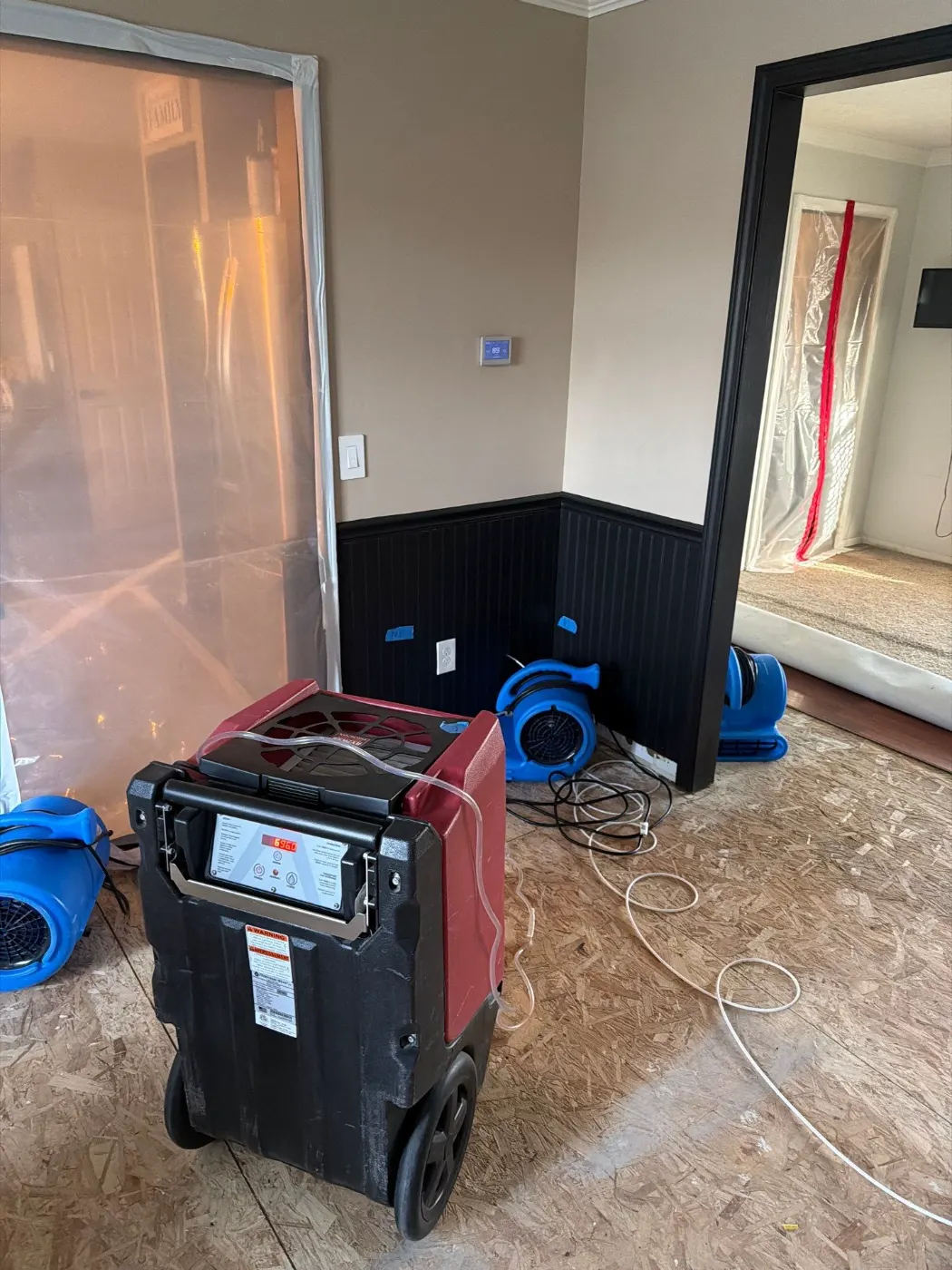
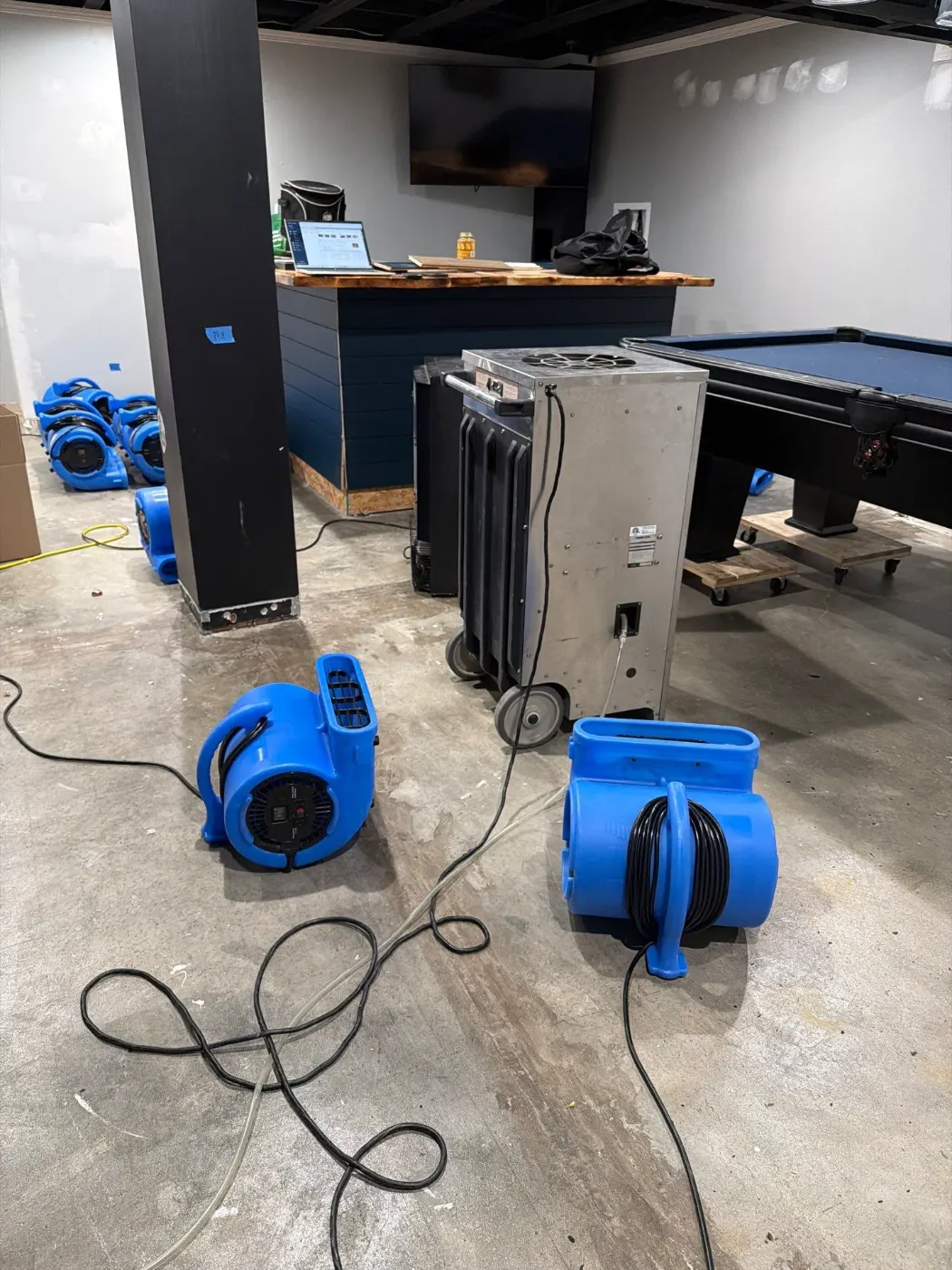
Each day of Clayton Water Restoration drying starts with readings. Temperature and relative humidity inside the chamber, humidity in and out of the dehumidifiers, and moisture content in the materials being dried all get logged against an unaffected baseline elsewhere in the building. Equipment moves based on what the numbers show, and the job ends when the affected materials match that baseline.
You can authorize emergency mitigation before an adjuster has been out, and your policy may expect you to limit further damage, so check it or ask your broker. Clayton Water Restoration gets a signed work authorization and a scope for the emergency phase, documents preexisting condition where it's visible, and keeps the mitigation invoice separate from reconstruction so each piece can be reviewed on its own terms.
If the ceiling's holding water in your Clayton building, keep people out from under it and call Clayton Water Restoration for a two hour dispatch. The crew pulls the wet tile and insulation and photographs what the storm reached above the grid before the scope gets written.
Signs You Need Commercial Storm Damage Restoration
If you notice any of these in your Clayton building, schedule a free inspection before the issue worsens.
Floor drains or cleanouts that gurgle or push water up during a heavy rain
Rust on the metal stud track at the bottom of a wall cavity once an opening is cut
Leak sensors or pit alarms going off in a mechanical room or IT closet during a storm
Wet or stained carpet along an interior column line with no plumbing fixture anywhere near it
Paint blistering or wall covering bubbling on a wall that backs up to the exterior
Stains that start at the top floor and reappear on the same wall two floors down
Grout between floor tiles darkening in a pattern that spreads a little more each day
Dock concrete that stays dark and cool to the touch for days after the surface water is gone
Standing water in a rooftop unit's drain pan, or condensate running down the duct below it
Water beading on the inside of curtain wall mullions or collecting on the sill
How Clayton Water Restoration Handles Commercial Storm Damage
We follow these steps in order on every Clayton job.
Emergency Roof Dry in
The membrane breach or failed detail gets covered with a temporary dry in built to hold through the next rain. Photos go in the file before and after. The permanent repair stays on the work order until a roofing scope takes it over.
Moisture Mapping
Every affected space gets walked with thermal imaging and both penetrating and nonpenetrating meters. Readings are keyed to a floor plan by room or column line, so the scope covers where the water went and leaves dry areas alone.
Water Category Call
Rain that started clean can worsen in category as it sits, so the crew classifies the water as it entered and again as it has aged. That call sets which materials get cleaned in place and which come out.
Cavity Inspection Openings
Where meters or thermal imaging point to hidden water, the crew opens a small inspection hole or lifts a tile. What the probe finds inside decides how much larger the cut needs to be.
Daily Readings Logged
Each day brings temperature, relative humidity and material moisture readings logged against an unaffected baseline elsewhere in the building. Equipment moves based on what the numbers show. The property manager gets the readings and the photos the same day.
Commercial Storm Damage in Clayton
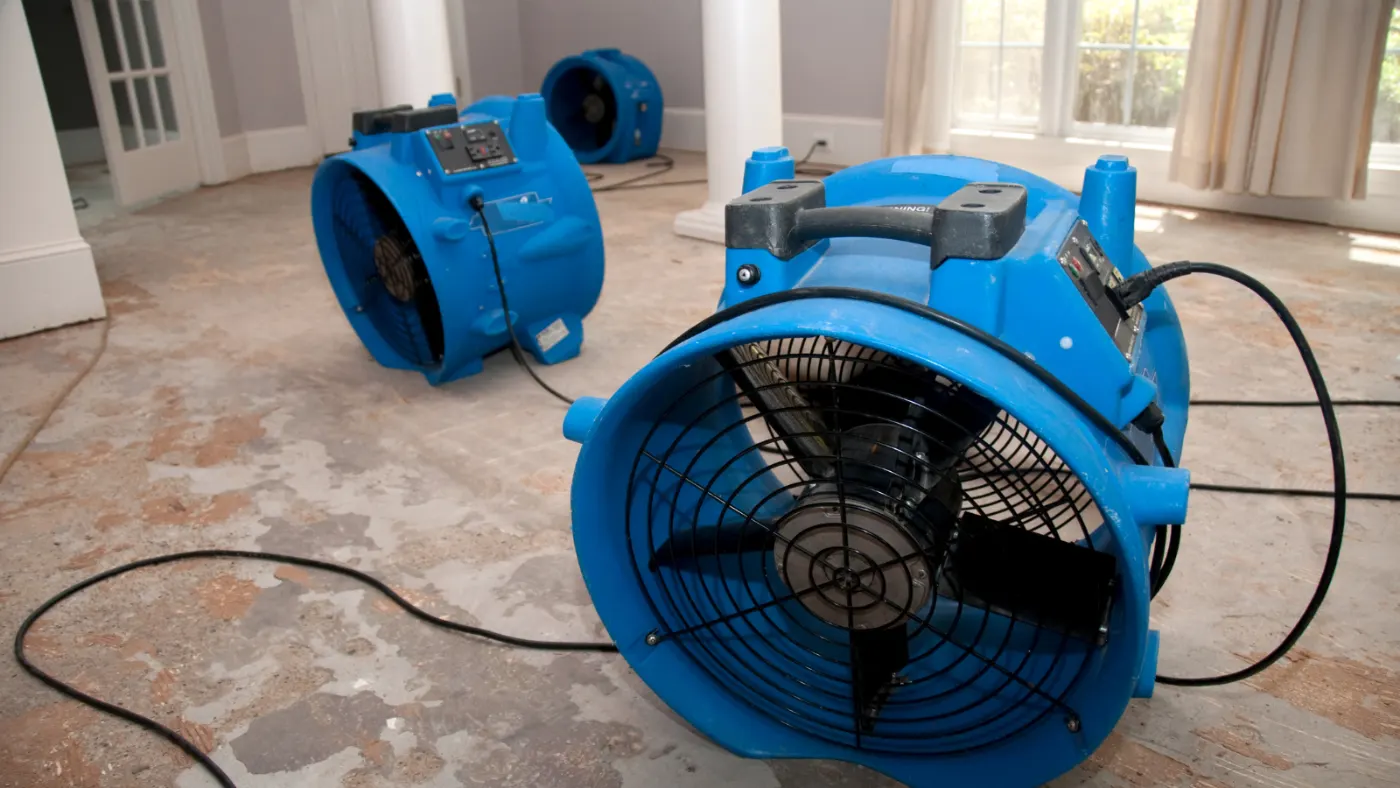
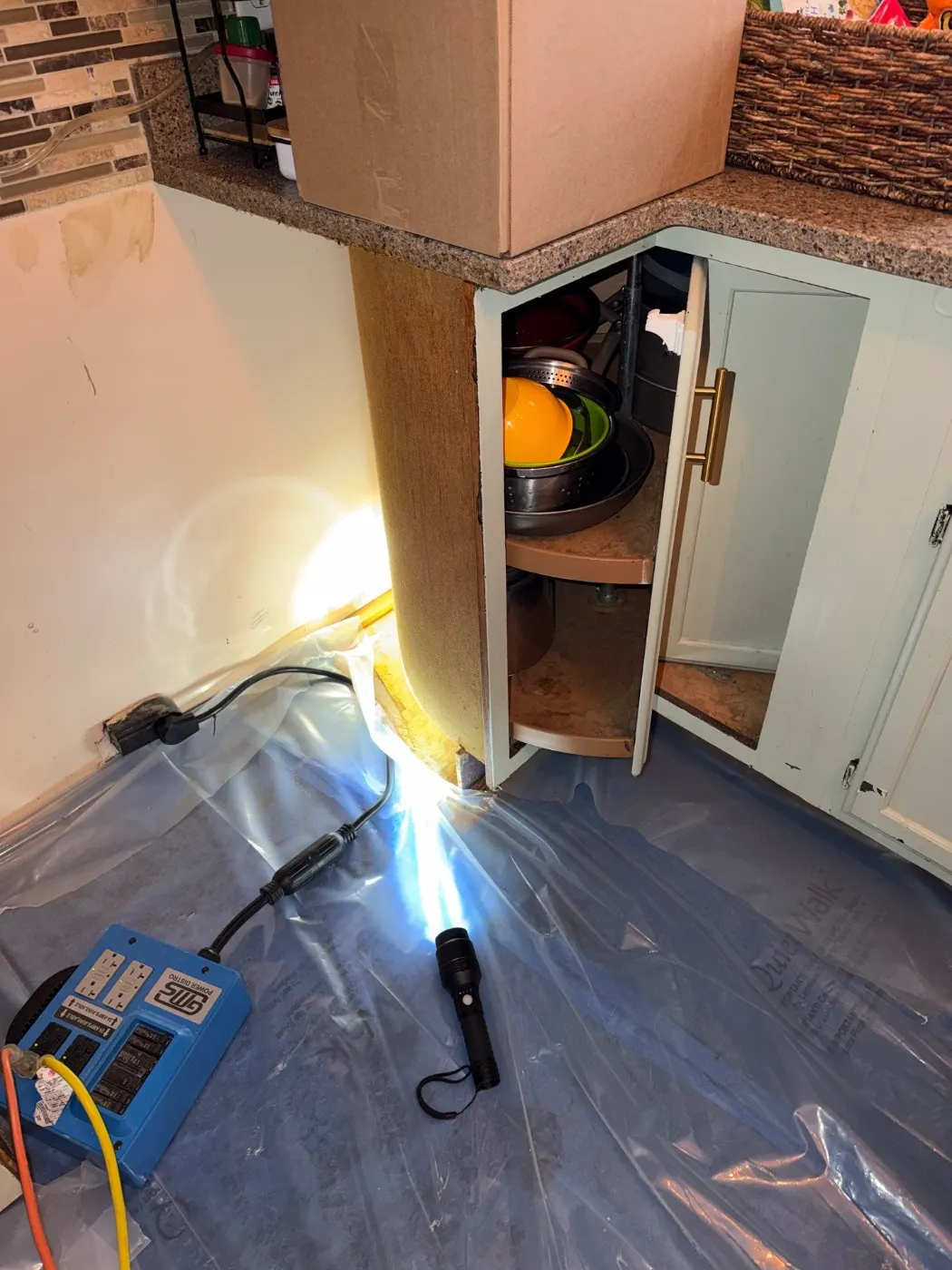
Photographs from real commercial storm damage jobs completed by our crew in Clayton and surrounding areas.
Commercial Storm Damage FAQ
Questions Clayton property managers ask us about commercial storm damage restoration.
Guidance and Standards for Commercial Storm Damage
- The National Weather Service office in Indianapolis posts summaries of recent central Indiana storm and flood events. NWS Indianapolis Event Summaries
- The ANSI/IICRC S500 is the published standard for professional water damage restoration. The current edition is the Fifth Edition, 2021. IICRC S500 Standard
Clayton Neighborhoods We Serve
We take commercial storm damage calls in every part of Clayton. Pick your neighborhood for local details.
Other Restoration Services in Clayton
Clayton Water Restoration handles the full scope of restoration work. Explore our other services below.
Water Damage Restoration in Clayton
24/7 emergency response. IICRC certified water restoration from extraction to full dry out.
Learn more →Basement Flooding in Clayton
Basement water emergencies handled fast. Extraction, drying, mold prevention.
Learn more →Sewage Cleanup in Clayton
Category 3 biohazard cleanup. Full containment, decontamination, structural restoration.
Learn more →Request Commercial Storm Damage Restoration
Reach Us Directly
Our team is available 24/7 for emergencies and ready to schedule inspections during business hours.
Need Immediate Help?
For active water or mold emergencies, call us directly. We are available 24/7.